From the pine-shaded bays of Saint-Tropez to the hanging gardens of Monaco, the French Riviera is never a single market. It reads as a constellation of micro-territories, each with its own clientele, property style, seasonality and way of life. For the discerning buyer, learning to decode these nuances is the first move of a successful acquisition, whether the goal is a main residence, an exceptional rental investment or a discreet pied-a-terre.
The same budget does not buy the same thing depending on whether you look toward the Gulf of Saint-Tropez, Saint-Jean-Cap-Ferrat, the Bay of Cannes, the hills of Mougins or the Principality. Beyond the price per square metre, it is the intended use, the scarcity of land and the depth of the rental market that truly set these areas apart. Here is a considered map to guide a wealth-driven project on the Côte d’Azur.
Buying a villa in Saint-Tropez, between pine groves, sea views and summer living
Saint-Tropez and its gulf, taking in Ramatuelle, Gassin and the heights above Pampelonne, embody the sunlit, festive Riviera. The clientele is international and often seasonal, drawn to large contemporary or Provencal estates with pine groves, sea views and quick access to the beaches. The market moves to the rhythm of summer, and viewings and rentals concentrate from April to September, which makes it fertile ground for high-end rental investment. The trade-off lies in the scarcity of buildable land and in France’s coastal protection rules, which preserve the character of the area and make genuinely waterfront properties rare.
Saint-Jean-Cap-Ferrat and Cap d’Antibes, the Riviera’s confidential peninsulas
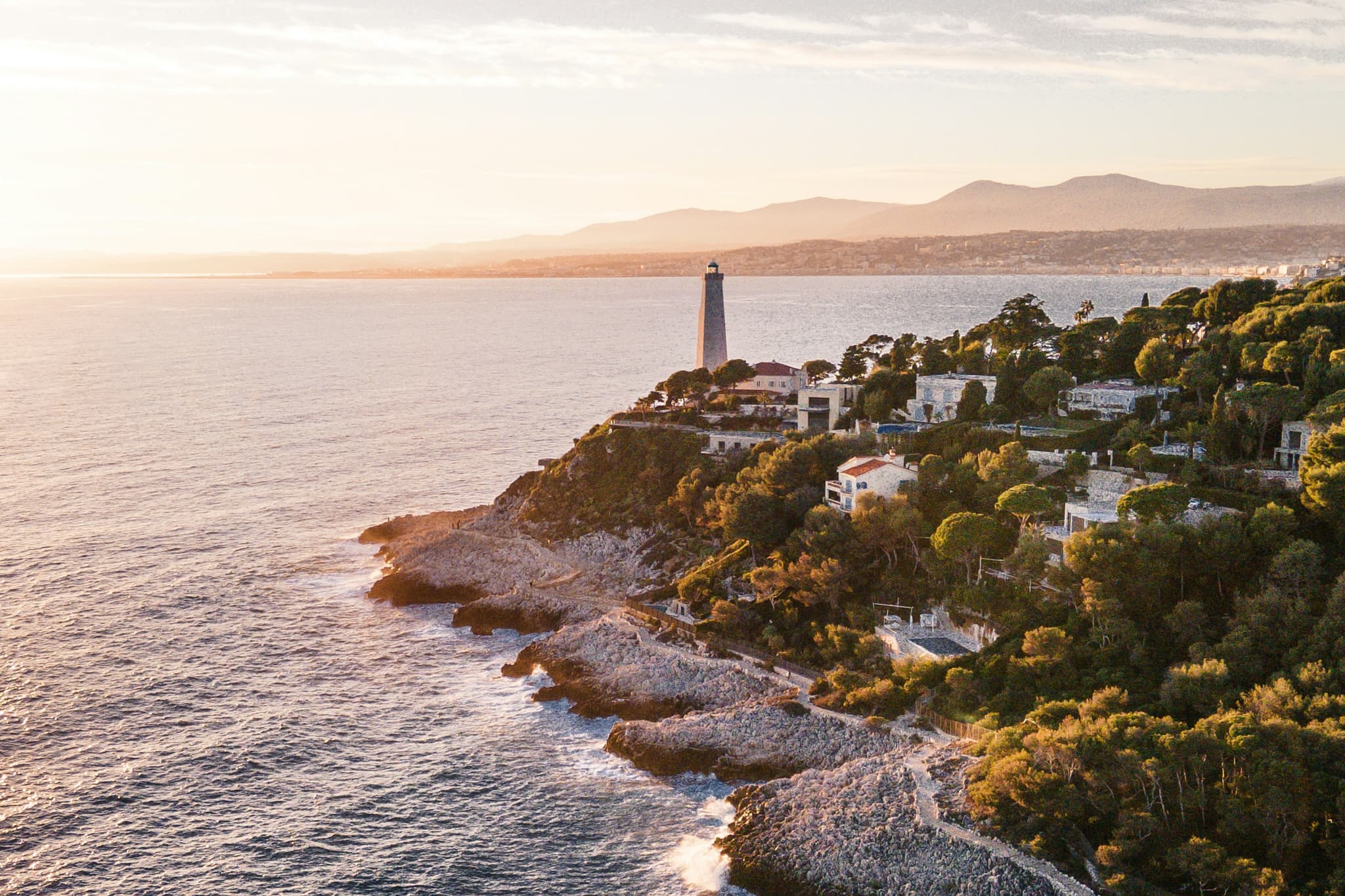
In contrast to the buzz of Saint-Tropez, Saint-Jean-Cap-Ferrat cultivates discretion. It is one of the rarest and most sought-after areas in Europe, with Belle Époque properties, listed gardens and villas overlooking the Mediterranean in near-total silence. Buyers here purchase for the long term, often as a semi-permanent residence, and seasonality is far less pronounced than in Saint-Tropez. Neighbouring Cap d’Antibes follows the same residential, heritage-led logic. Value rests on permanence, on the quality of the views and on the confidentiality of transactions, many of which are conducted privately, away from any window display.
« On the Riviera, you are not buying a square metre, you are buying an address, an aspect and a quality of light. Two neighbouring villas can belong to two entirely different markets. »
Cannes and Mougins, where international energy meets the calm of the hinterland
Cannes blends seaside prestige with year-round life. The Croisette, the Californie district and the heights offer high-standing apartments and villas with bay views, sustained by a steady flow of conferences, the Festival and an international business clientele. It is a liquid market, both residential and rental. A few minutes away, Mougins plays an entirely different tune, a perched village of art, quiet estates, olive groves and gated domains favoured by families seeking space and serenity without giving up proximity to the sea and Nice airport. Mougins appeals to residence projects, while Cannes attracts both the pied-a-terre buyer and the rental investor.
Monaco, the heritage pied-a-terre of a coveted micro-state
The Principality is in a category of its own. One of the most expensive and tightly held markets in the world, Monaco draws a wealth-focused, internationally mobile clientele in search of security, services and resident status. Supply is almost entirely vertical, with exceptional apartments, penthouses and serviced residences within a tiny perimeter where new build is scarce. The logic here is that of the long-held pied-a-terre rather than immediate rental yield. Entering the market calls for rigorous guidance, as the residency process and local practices are highly specific.
Matching the market to your project, whether residence, rental investment or pied-a-terre
Before settling on an area, it helps to start from the real use of the property and the intended holding period. A few markers to frame the decision:
- Year-round or semi-permanent residence, favour Saint-Jean-Cap-Ferrat, Cap d’Antibes, Mougins or Cannes, where life does not stop out of season.
- High-end rental investment, where the Gulf of Saint-Tropez and Cannes offer the deepest seasonal demand, provided management and concierge services are anticipated.
- Heritage pied-a-terre, where Monaco and the Cannes seafront answer a logic of long holding and safe-haven value.
- A need for privacy, where the peninsulas of Saint-Jean-Cap-Ferrat and Cap d’Antibes, like the estates of Mougins, limit exposure and disturbance.
- View and light, where for the same budget, aspect, elevation and the quality of the panorama often matter more than floor area alone.
On these exceptional markets, a few points deserve particular attention. The mandate entrusted to the agency, governed in France by the Hoguet law, benefits from being clear on its scope and exclusivity, since a significant share of the finest transactions closes off-market, away from any listing. It is also wise to check easements, planning rules, coastal protection constraints and, in listed areas, the opinion of France’s heritage architects, which can shape works and extensions. Depending on the case, the ownership structure and taxation, particularly for non-resident buyers, are best weighed in advance, generally with dedicated advice.
Reading the Riviera area by area already spares a buyer the costliest mistakes of positioning. The rest comes down to finesse of execution, in gaining access to confidential properties, securing the acquisition and, where needed, orchestrating the rental. This is precisely the tailored support Liberty House cultivates, from the very first viewing to everyday concierge care.

